
- Anatomy
- Conditions
- Procedures
Acromioclavicular Joint Dislocation (Shoulder Separation)
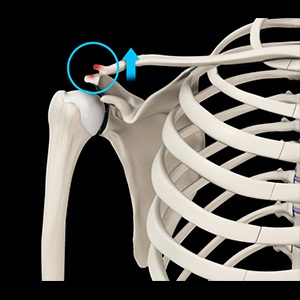
The AC joint is located at the highest point of the shoulder. It acts as a junction between the acromion of the shoulder blade (scapula) and the collarbone (clavicle). The section of the scapula that connects to the clavicle is known as the acromion. The joint is easily identified as a slight bump that you feel when you move your hands over the top of your shoulder.
Calcific Tendinitis
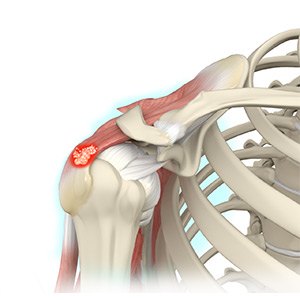
Calcific tendinitis is a problem with the shoulder’s tendons and muscles. This condition occurs due to the formation of calcium deposits in the tendons (tissue which attaches muscle to bone) of the rotator cuff (a group of muscles and tendons stabilising the shoulder).
Clavicle Fracture
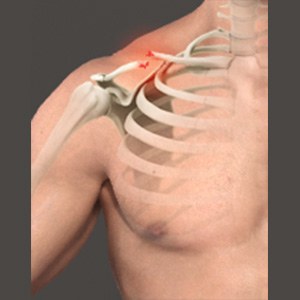
The break or fracture of the clavicle (collarbone) is a common sports injury associated with contact sports such as football and martial arts, as well as impact sports such as motor racing. A direct blow over the shoulder that may occur during a fall on an outstretched arm or a motor vehicle accident may cause the clavicle bone to break.
Subacromial Impingement Syndrome
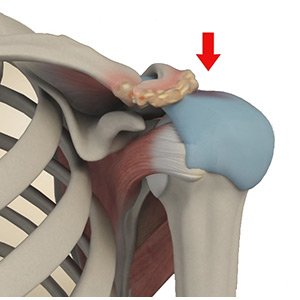
SAIS is the inflammation and irritation of your rotator cuff tendons. This occurs when the tendons rub against the outer end of the shoulder blade (the acromion) while passing through the subacromial space during shoulder movement.The rotator cuff is a group of four muscles that come together as tendons to form a "cuff". These muscles originate from the scapula (shoulder blade) and hold your upper arm bone (humerus) in place in your shoulder.
Arthritis of the Shoulder
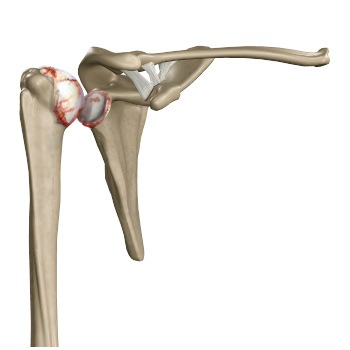
The term arthritis literally means inflammation of a joint but is generally used to describe any condition in which there is damage to the cartilage. Damage of the cartilage in the shoulder joint causes shoulder arthritis. Inflammation is the body's natural response to injury. The warning signs that inflammation presents are redness, swelling, heat, and pain.
Frozen Shoulder
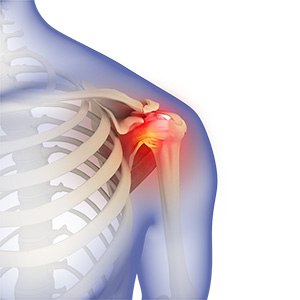
Frozen shoulder, also called adhesive capsulitis, is a condition in which you experience pain and stiffness in your shoulder. The symptoms appear slowly, worsen gradually and usually take one to three years to resolve on their own.The shoulder joint is comprised of bones, tendons, and ligaments that are encased in a capsule of connective tissue.
Rotator Cuff Tear
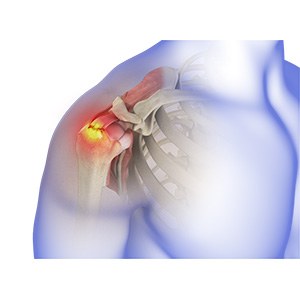
The rotator cuff is a group of tendons in the shoulder joint that provides support and enables a wide range of motion. A major injury to these tendons may result in rotator cuff tears. It is one of the most common causes of shoulder pain in middle-aged and older individuals.
Shoulder Dislocation
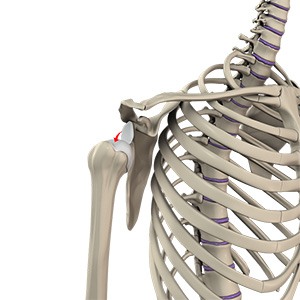
Sports that involve overhead movements and repeated use of the shoulder at your workplace may lead to sliding of the upper arm bone from the glenoid. The dislocation might be a partial dislocation (subluxation) or a complete dislocation causing pain and shoulder joint instability. The shoulder joint often dislocates in the forward direction (anterior instability), and sometimes in the backward or downward direction.
Shoulder Labral Tear
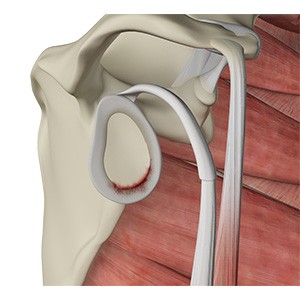
The shoulder joint is a ball and socket joint. A ball at the top of the upper arm bone (humerus) fits neatly into a socket, called the glenoid, which is part of the shoulder blade (scapula). The glenoid is surrounded by a ring of fibrous cartilage called the labrum for stabilization of the shoulder joint. The biceps tendon attaches inside the shoulder joint at the superior labrum of the shoulder joint.
Shoulder Ligament Injuries
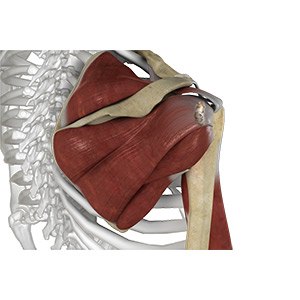
Shoulder ligament injuries are injuries to the tough elastic tissues present around the shoulder that connect bones to each other and stabilize the joint. The ligaments present in the shoulder are connected to the ends of the scapula, humerus, and clavicle bones which form the shoulder complex.
SLAP Tears
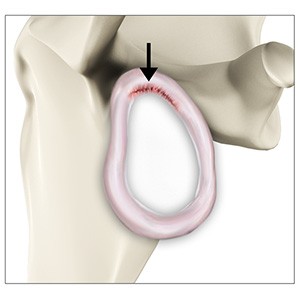
The shoulder joint is a ball and socket joint. A ball at the top of the upper arm bone (humerus) fits neatly into a socket, called the glenoid, which is part of the shoulder blade (scapula). The glenoid is surrounded by a ring of fibrous cartilage called the labrum for stabilisation of the shoulder joint.